by Ingrid Fadelli | Feb 5, 2022 | nanomaterials, Nanophysics, Nanotechnology, PHYS.ORG
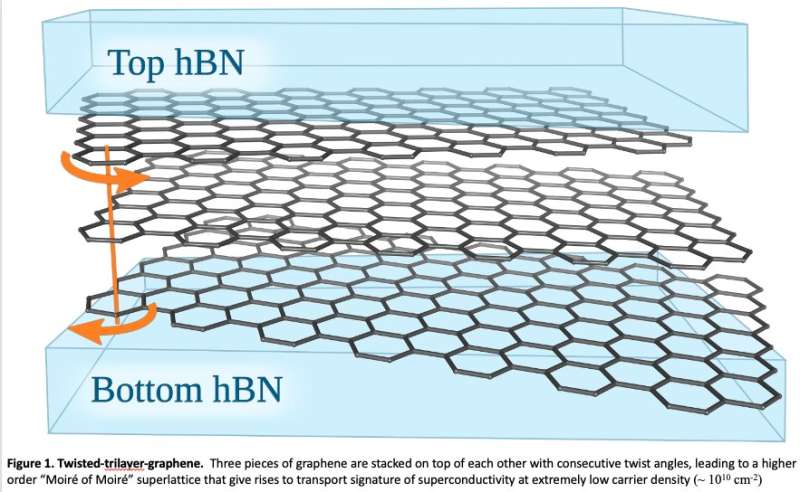
When two layers of graphene or of other two-dimensional (2D) materials are stacked on top of each other with a small angle misalignment, the crystal lattices produced by each layer are spatially ‘out of synch’. This results in a unique structural pattern...
by Ingrid Fadelli | Feb 5, 2022 | Optics & Photonics, PHYS.ORG
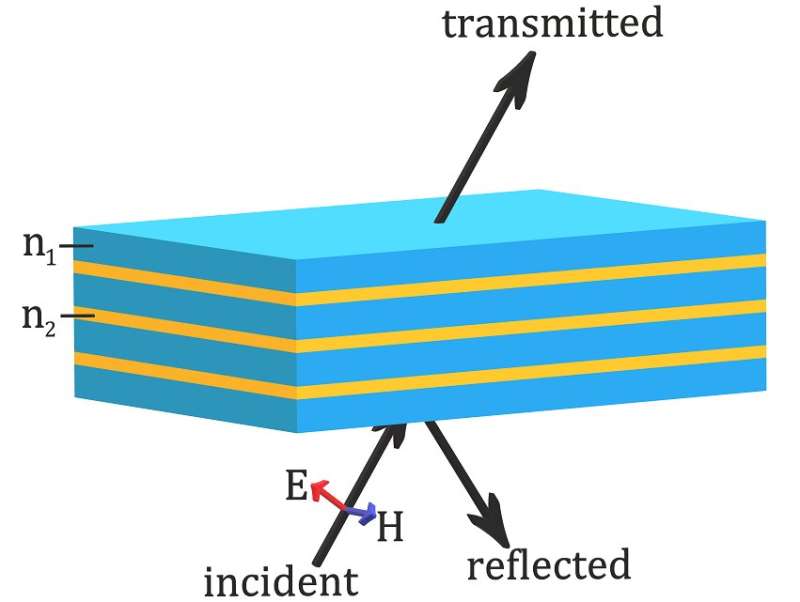
Over the past few years, physicists and engineers worldwide have developed a growing number of advanced optical technologies and photonic devices, which can be used to emit, detect or manipulate light. The ability to easily control the coherence properties of emitted...
by Ingrid Fadelli | Feb 5, 2022 | nanomaterials, Nanophysics, Nanotechnology, PHYS.ORG
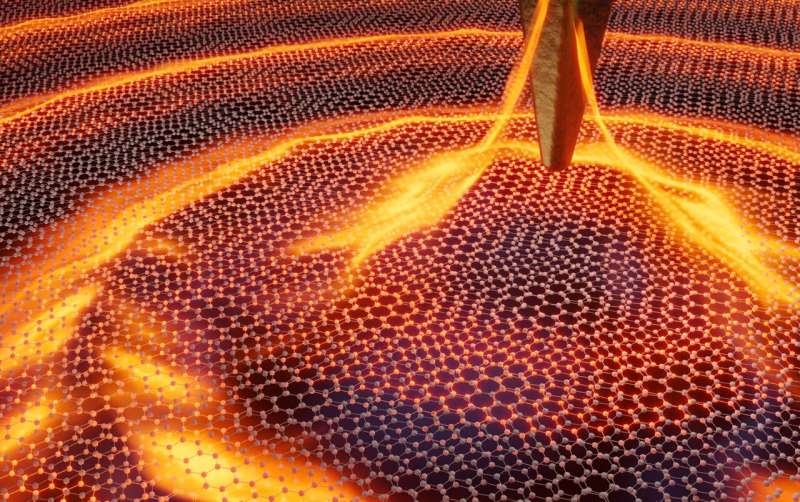
Twisted bilayer graphene is a carbon-based, two-dimensional (2D) material comprising two graphene layers. Although many scientists have recently started exploring its potential for superconductivity and magnetism, so far, there have been very few optical studies...
by Ingrid Fadelli | Feb 5, 2022 | Robotics, TECHXPLORE
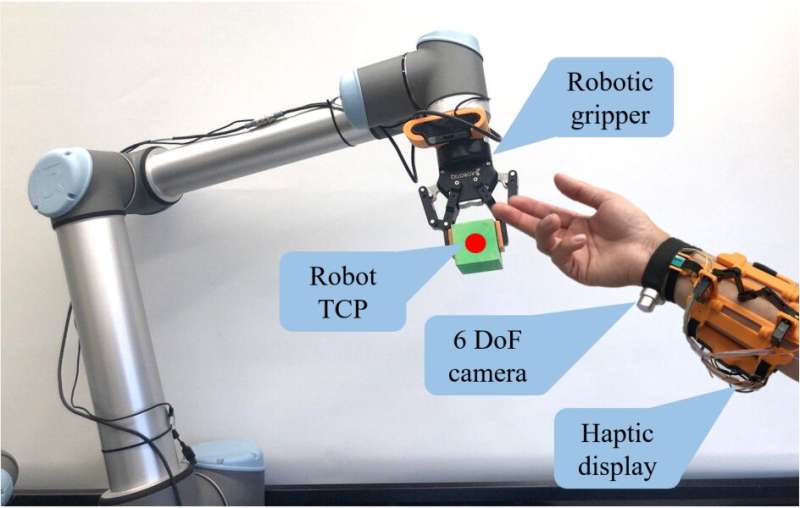
The number of collaborative mobile robots introduced in real-world settings is gradually increasing, with approximately 20,000 new installations per year. For their use to increase further, however, roboticists should ensure that these robots are both efficient and...
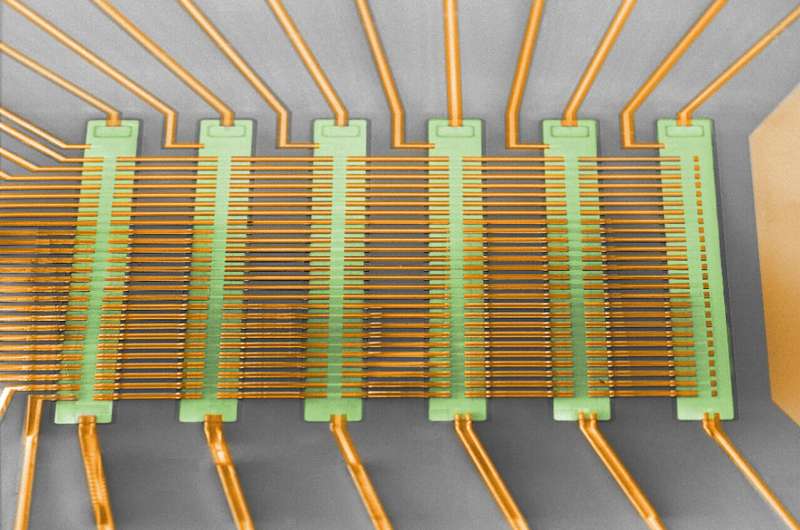
by Ingrid Fadelli | Feb 5, 2022 | Electronics & Semiconductors, Machine learning & AI, TECHXPLORE
To train and implement artificial neural networks, engineers require advanced devices capable of performing data-intensive computations. In recent years, research teams worldwide have been trying to create such devices, using different approaches and designs.