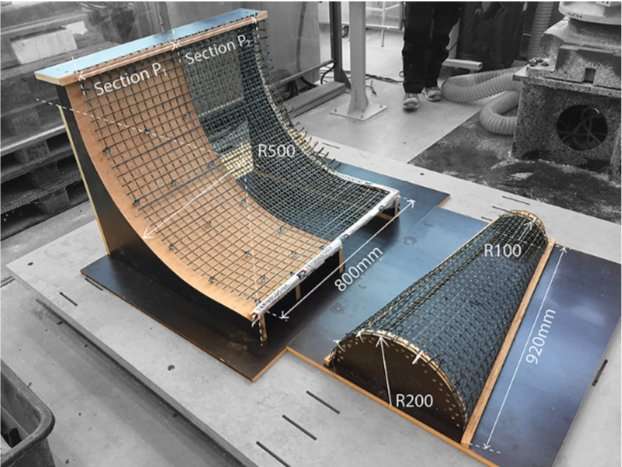
Researchers at the Centre for Information Technology and Architecture (CITA) of the Royal Danish Academy of Fine Arts and at the Danish Technological Institute have developed a new hybrid construction concept called "Sparse Concrete Reinforcement In Meshworks"...
TECHXPLORE
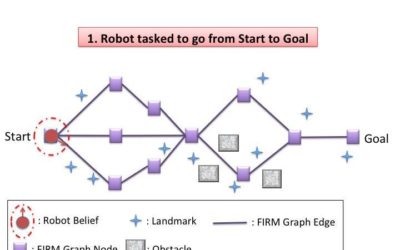
SLAP: Simultaneous Localization and Planning for autonomous robots
Researchers at NASA Jet Propulsion Laboratory (JPL), Texas A&M University, and Carnegie Mellon University recently carried out a research project aimed at enabling simultaneous localization and planning (SLAP) capabilities in autonomous robots. Their paper, published...
A new machine learning strategy that could enhance computer vision
Researchers from the Universitat Autonoma de Barcelona, Carnegie Mellon University and International Institute of Information Technology, Hyderabad, India, have developed a technique that could allow deep learning algorithms to learn the visual features of images in a...
Story ending generation using incremental encoding
Researchers at the AI Lab of Tsinghua University have recently developed an incremental encoder-based model that can generate story endings. An incremental encoder is a type of encoding compression algorithm that is often used to compress sorted data, such as lists of...
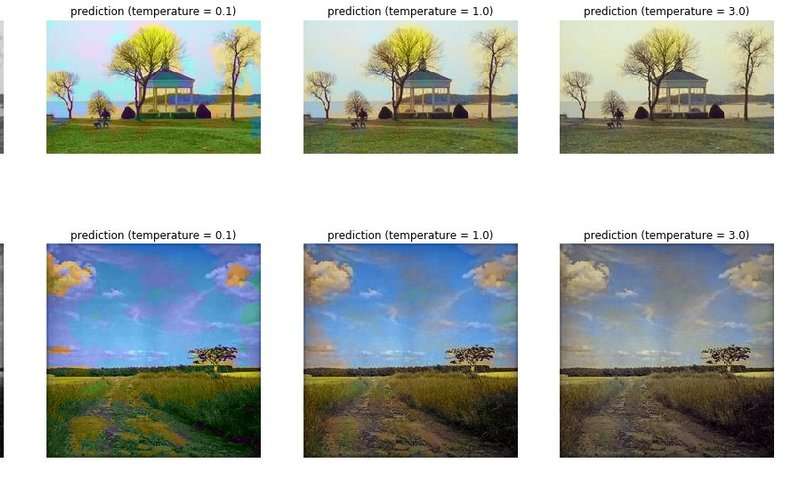
ColorUNet: A new deep CNN classification approach to colorization
A team of researchers at Stanford University has recently developed a CNN classification method to colorize grayscale images. The tool they devised, called ColorUNet, draws inspiration from U-Net, a fully convolutional network for image segmentation.
AI systems shed light on root cause of religious conflict
Artificial intelligence can help us to better understand the causes of religious violence and to potentially control it, according to a new Oxford University collaboration. The study is one of the first to be published that uses psychologically realistic AI—as opposed...
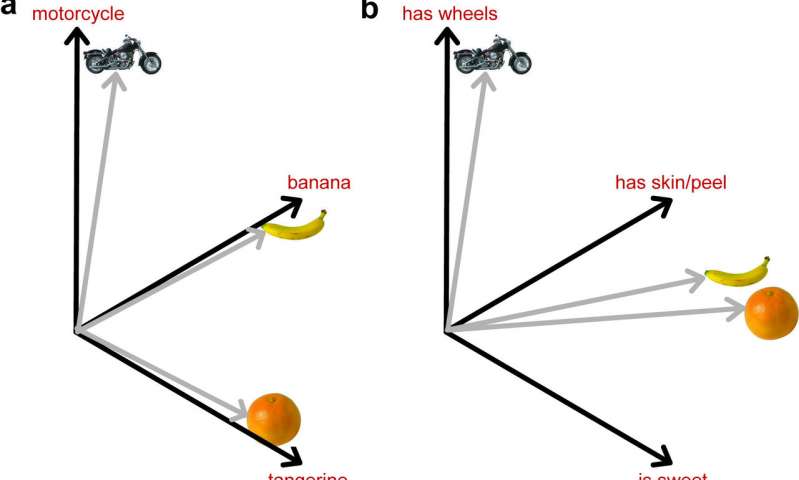
An integrated visual and semantic neural network model explains human object recognition in the brain
Neuroscience researchers at the University of Cambridge have combined computer vision with semantics, developing a new model that could help to better understand how objects are processed in the brain.
Using machine learning to detect software vulnerabilities
A team of researchers from R&D company Draper and Boston University developed a new large-scale vulnerability detection system using machine learning algorithms, which could help to discover software vulnerabilities faster and more efficiently.
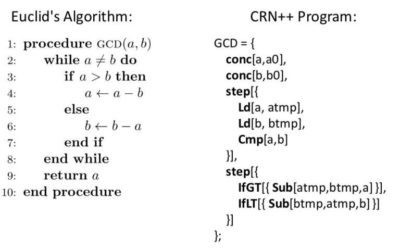
A new molecular programming language: CRN++
Synthetic biology is a relatively new area of research that could significantly impact a number of fields, including biology, nanofabrication and medicine. A primary challenge in this emerging field is that of embedding computation in molecular contexts, in situations...
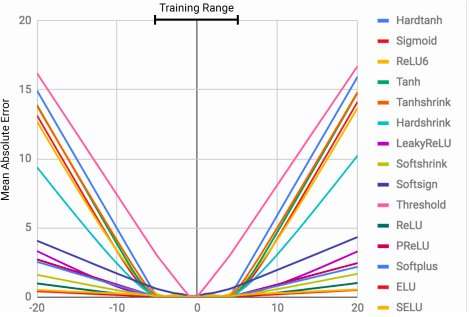
DeepMind researchers develop neural arithmetic logic units (NALU)
The ability to represent and manipulate numerical quantities can be observed in many species, including insects, mammals and humans. This suggests that basic quantitative reasoning is an important component of intelligence, which has several evolutionary advantages.