by Ingrid Fadelli | May 4, 2021 | Computer Sciences, Machine learning & AI, TECHXPLORE
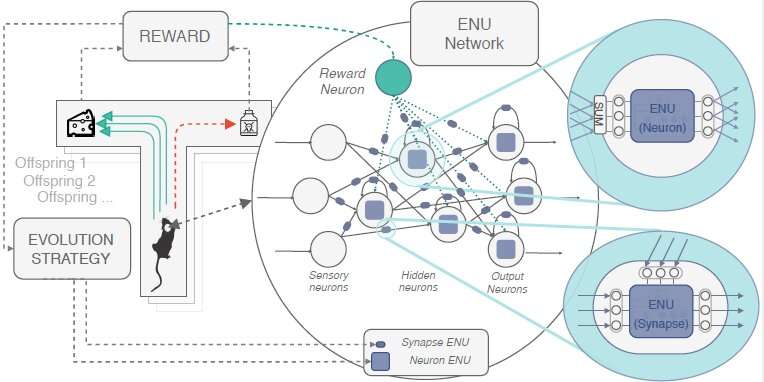
Machine learning techniques are designed to mathematically emulate the functions and structure of neurons and neural networks in the brain. However, biological neurons are very complex, which makes artificially replicating them particularly challenging.

by Ingrid Fadelli | May 4, 2021 | nanomaterials, Nanophysics, Nanotechnology, PHYS.ORG
In recent years, physicists and electronic engineers have been trying to identify materials that could be used to fabricate new types of electronic devices. One-dimensional (1-D) and two-dimensional (2-D) materials have been found to have particularly advantageous...
by Ingrid Fadelli | May 4, 2021 | Computer Sciences, Machine learning & AI, TECHXPLORE
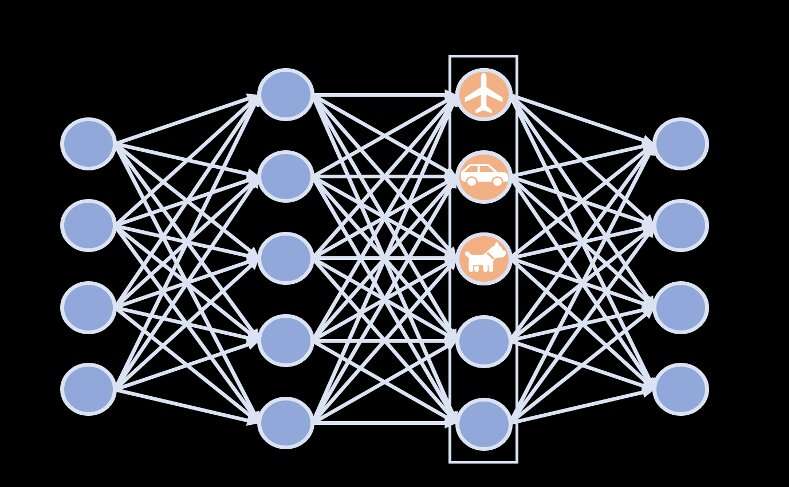
Over the past decade or so, deep neural networks have achieved very promising results on a variety of tasks, including image recognition tasks. Despite their advantages, these networks are very complex and sophisticated, which makes interpreting what they learned and...

by Ingrid Fadelli | May 4, 2021 | General Physics, PHYS.ORG, Physics, Quantum Physics
While many research teams worldwide are trying to develop highly performing quantum computers, some are working on tools to control the flow of heat inside of them. Just like conventional computers, in fact, quantum computers can heat up significantly as they are...
by Ingrid Fadelli | May 4, 2021 | Computer Sciences, Machine learning & AI, TECHXPLORE
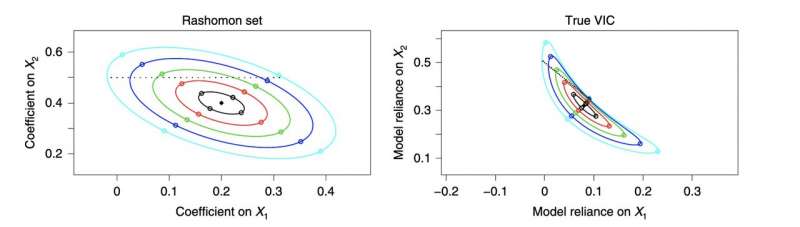
Two researchers at Duke University have recently devised a useful approach to examine how essential certain variables are for increasing the reliability/accuracy of predictive models. Their paper, published in Nature Machine Intelligence, could ultimately aid the...