by Ingrid Fadelli | May 20, 2020 | Engineering, PHYS.ORG, Physics, Quantum Physics, Research
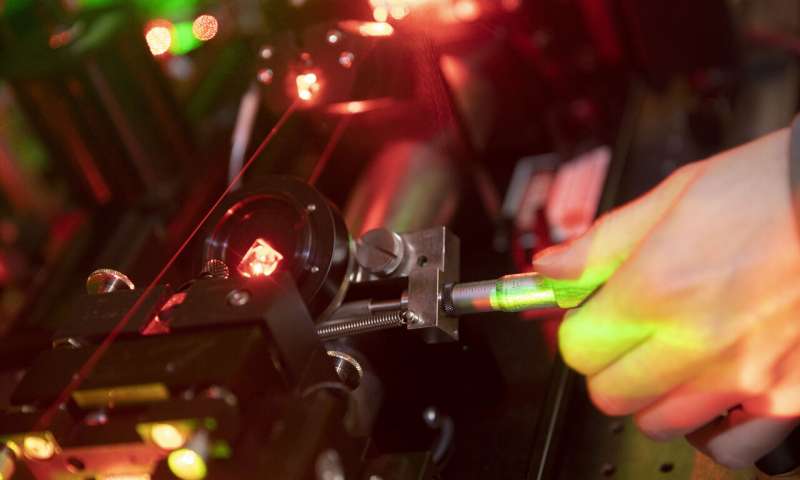
Researchers at the Harvard-MIT Center for Ultracold Atoms have recently demonstrated a one-dimensional (1-D) magneto-optical trap (MOT) of polar free radical calcium monohydroxide (CaOH). This technique, outlined in a paper published in Physical Review Letters, was...

by Ingrid Fadelli | May 20, 2020 | MEDICALXPRESS, Neuroscience, Research
To adapt to their environment and learn from past experiences, animals need to learn to associate stimuli in their environment (e.g., a particular sound or scent) and the rewards or threats that these stimuli are likely to carry with them (e.g., food or the presence...
by Ingrid Fadelli | May 8, 2020 | Medicine & Healthcare, Neuroscience, PHYS.ORG, Research
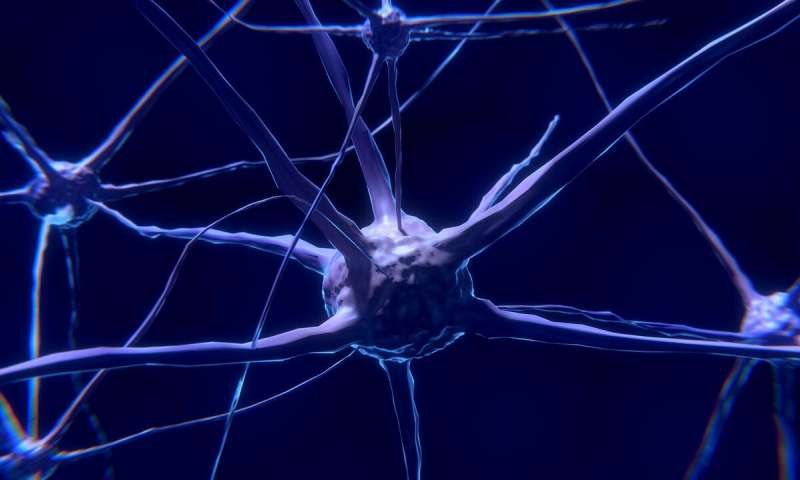
The basal ganglia (BG) are a group of subcortical brain nuclei that control automatic behavior in humans and other animal species. The BG has been found to show peculiar activity in people affected by a number of mental and neurodegenerative disorders, including...
by Ingrid Fadelli | May 8, 2020 | Electronics & Semiconductors, Quantum Physics, Research, TECHXPLORE
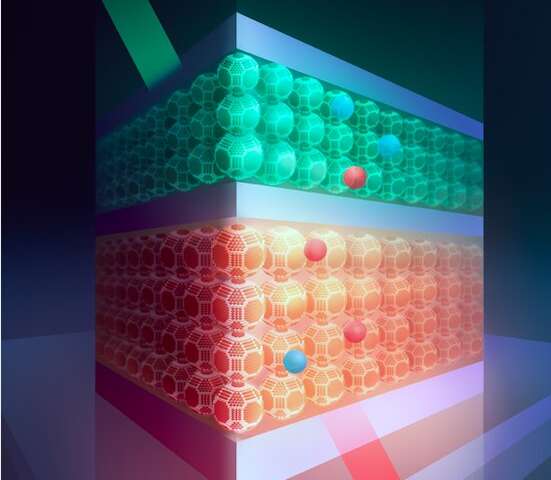
Researchers at ShanghaiTech University, the University of Toronto and the Chinese Academy of Sciences have recently developed new solution-processed upconversion photodetectors, which are a class of devices that can detect or respond to light. These devices, presented...
by Ingrid Fadelli | May 8, 2020 | Earth & Environment, Energy & Green Tech, Hi Tech & Innovation, News, Research
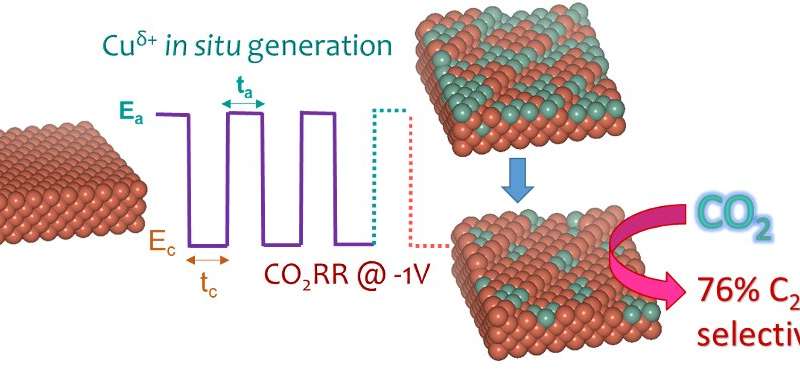
Electrical energy derived from renewable sources could be used to rearrange bonds in carbon dioxide (CO2) and water molecules into complex hydrocarbons, which can then be burnt to produce new energy and CO2, ultimately enabling a carbon cycle. Copper is a catalytic...